B2B e-commerce or business-to-business electronic commerce, is a type of business model where the exchange takes place between businesses rather than between businesses and consumers/customers.
This type of business model is popular among wholesalers, distributors, retailers, and drop shippers.
This business model has become very significant in modern business, in fact, in 2023 the global b2b e-commerce market was valued at $18,665.95 billion and it is expected to grow by 18.2% from 2024 to 2030.
Amazing right?
If you are looking to go into this business model there are some things you need to know so you will enjoy the benefits.
In this article, I’m going to make you understand fully how the b2b business model operates and I’m going to let you know the pros and cons of this business model.
Let’s get into it.
How does the B2B business model operate?

B2B (business-to-business) is simply the process of selling and marketing products between two different businesses online.
So if you are in a B2B business model, you buy the products you want to sell from another business.
It is different from the B2C business model where you sell directly to your customers.
You’ll likely fall into four different categories if you are operating under this business model. These categories are:
- B2B2C
Business-to-business-to-consumer. The wholesaler or manufacturer sells the goods to B2B entities.
The B2B entities then sell the products directly to consumers.
B2B2C often includes a digital storefront where consumers buy their products.
A drop shipper operates in this business model. If you want to learn more about drop shipping, here is an article on the dropshipping business model.
- Manufacturers
Manufacturers produce goods in large quantities that may then be sold to wholesalers or suppliers.
In recent times, businesses have needed manufacturers to complete online transactions and increase flexibility in how they purchase goods.
- Distributors
Manufacturers may not have the time so sometimes they partner with distributors, who take care of packaging and marketing.
Distributors sell directly to wholesalers or retailers.
- Wholesalers
The wholesalers buy directly from the manufacturers or distributors in bulk and sell them either to retailers who sell directly to consumers or they can sell the products directly to consumers.
Now you know the different categories you can fall into when you operate in the B2B business model.
The B2B business model is thriving in the online business landscape because of the following reasons:
- Globalization: Businesses now operate in the global economy because b2b commerce helps them expand their market beyond geographical boundaries.
- Digital transformation: The rapid development of digital technologies has changed the way businesses conduct business transactions, and B2B e-commerce allows companies to leverage digital platforms to reduce costs and increase customer satisfaction.
Pros of B2B business model
These are the benefits you’ll enjoy when you adopt this business model.
Increased sales
When you dive into a B2B (business-to-business) model, the perks can really stand out, especially when it comes to boosting your sales.
In a B2B setup, you’ve got a clear target: other businesses. And the best part? These businesses often have larger budgets compared to individual consumers.
Think about it: When a company decides to buy from you, they’re not just picking up a single item or a small one-off purchase.
They’re often filling large orders or signing contracts for ongoing services. This is because businesses typically need to buy in bulk or secure supplies and services on a larger scale to keep their operations running smoothly.
Plus, businesses usually come to the table knowing exactly what they want. They’ve done their homework, they know what they need, and if you’ve got it, you’re in for a smoother sale. There’s less convincing to do on your part because it’s less about impulse buys and more about meeting essential needs.
Even though you might have fewer customers in a B2B model compared to a B2C (business-to-consumer) model, each customer tends to bring in a much higher value.

Reduced cost
When you switch to a B2B business model, one of the big advantages is how it can help cut down your costs. Since you’re typically selling products or services in large quantities to other businesses, you can really streamline your operations and save money.
In B2B, bulk orders are the norm.
This means, that producing in larger quantities generally lowers the per-unit cost of your products.
It’s like buying ingredients for a huge batch of cookies instead of just a few; buying in bulk usually gets you a price break. This means your production costs go down as the volume goes up.
Also, handling large, consistent orders allows you to plan and manage your inventory more efficiently.
You can predict how much material you need and when you need it, which reduces the costs associated with storage and waste. Keeping your inventory lean and mean saving money.
Another cost-saving aspect is in shipping.
Shipping a few big orders is generally less expensive than sending out lots of smaller ones. You can negotiate better freight rates and streamline the logistics involved in getting your product from point A to point B.
Enhanced efficiency
When you operate under this business model, everything is streamlined. Bonus if you have that fulfillment agency, Globallyfufill I mentioned earlier.
B2B e-commerce platforms streamline your buying process by digitalizing the various stages, from placing your order to processing your invoice.
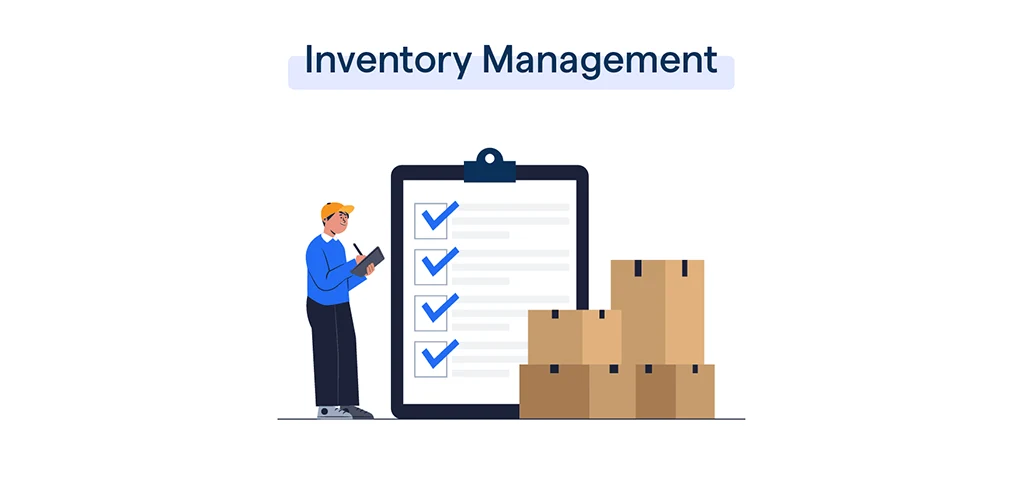
By integrating systems such as inventory management, B2B platforms ensure that data is transferred seamlessly and accurately between different systems.
Improved brand reputation and competitive advantage
When your order fulfillment and core commerce capabilities are good in this business model, you will have a positive reputation and a competitive advantage.
Huge market potential
You have the potential to sell to a wide range of businesses, from small businesses to large enterprises.
With this business model, you can reach a large number of buyers who will use your products regardless of the industry.
You can have access to a global customer base and because you offer to sell them goods in large quantities at reduced cost, you will break geographical barriers.
Recurring revenue
B2B businesses often have recurring revenue streams.
This is because you have established a customer base that will most likely come back to repurchase.
This will make your business scalable and profitable.
Improved customer experience
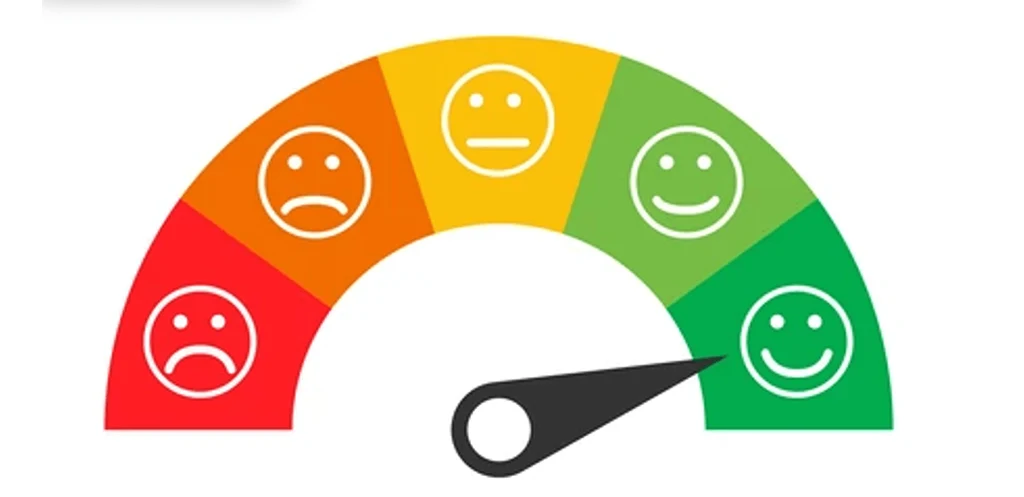
There is an improved customer experience in the B2B business model because you have 24/7 accessibility to your customers.
Your customers can make personalized purchases and improve the buying experience by leveraging data analytics tools that take note of customer behavior, preferences, needs, and past purchase history.
There is also an increased customer lifetime value.
Since your buyer will go through the entire customer journey, there is more potential for them to stick around as long as you meet their expectations.
Flexible terms
You often have more flexibility in terms of contracts when you operate in the B2B business model.
This can help you if you need to tailor your products to meet the needs of your customers.
You can also have the option to negotiate long-term payments, which can give you more time to provide your products before you get paid.
Cons of the B2B business model
There are some potential drawbacks to the B2B business model as well.
Some of the challenges you may face include:
High initial setup cost
The cost of setting up a B2B business model may be high because of the need to invest in technology and infrastructure.
You need to have the right product or service, business licenses, and permits before you can start operating this business model.
It can take longer than a typical B2C business. But fulfillment agencies really makes it easier as they’ll be taking care of most of this.
It can be difficult to scale
The B2B business can take a lot of work to scale.
As your business expands, you might need to hire more employees or build new infrastructure to keep up with demand.
Building a brand can be difficult.
If you’re just starting out in this business model, you have to put in a lot of work in the operations.
You don’t have a customer base yet so you need to build a loyal customer base, and that takes time and resources.
You need to build trust with your customers. Then there’s the bit on having packaging that matches your branding.
Large budget for marketing, advertising and sales
When you operate in the B2B business model, you sometimes have the challenge of reaching customers.
You need to invest largely in marketing, advertising and sales.
This can be a challenge for small businesses or people that are just starting out.
Market can be limited
The market can be limited, depending on the industry you’re operating in.
This can be an advantage, but without careful planning, it can turn out to be a disadvantage to your business.
Dependence on technology
The B2B business model is highly dependent on technology for its operation.
When you operate in this business model, you are vulnerable to system failures and downtimes.
You need to constantly update your technology and maintain your infrastructure.
Conclusion
If you are considering starting a B2B business model, it is a very good opportunity for you.
The advantages of this business model, including increased sales, huge market potential, improved customer experience, reduced cost, and enhanced efficiency, outweigh the disadvantages.
The B2B business model has evolved over time and it is important to embrace it as a strategic tool for growth and competitiveness.