In the ever-evolving landscape of retail, businesses are continuously seeking innovative strategies to maximize sales opportunities. A significant challenge is the integration of online and offline sales channels.
With the growth of e-commerce, traditional brick-and-mortar stores face mounting pressure to adapt and seamlessly incorporate digital technologies into their operations. This is precisely where Point of Sale (POS) systems emerge as a critical player.
Today’s customers have diverse shopping preferences and expect convenience, affordability, and quality. They shop online on their own terms and schedules, but they also desire seamless transitions between online and in-person purchases.
Retailers must integrate their online and offline channels effectively to meet these expectations and maintain customer satisfaction. In addition to achieving your business goals, it’s crucial to be online and ensure your sales and marketing team understands the differences between online and offline sales, along with the psychology behind each.
What is a POS System?
The point of sale (POS) system serves as an integral point where customers complete transactions for products or services, whether in-store or online.
Evolving beyond traditional cash registers, modern POS software offers multiple features including mobile integrations, contactless payment options, and seamless ecommerce integration.
These advancements not only enhance convenience for customers but also streamline business operations by bridging sales, inventory management, payment processing, and customer relations.

With the global POS market expected to reach grow at a CAGR of 8.3% from 2023 to 2030, the importance of investing in robust POS systems becomes evident.
These systems not only streamline transactions but also gather valuable data for retailers to analyze customer behavior and preferences.
Research indicates that 89% of consumers are more likely to make another purchase after a positive omnichannel experience, underscoring the significance of seamless integration between online and offline channels facilitated by effective POS solutions.
Benefits of POS System
A POS system offers numerous benefits for businesses, enhancing efficiency and customer experience.
Firstly, it facilitates better inventory management by allowing real-time tracking of products and automating inventory updates, reducing errors and saving time.
Some of the most prominent benefits of POS system include:
Streamlined Operations
A POS system integrates sales, inventory, and customer management, enhancing efficiency and accuracy.
Real-time inventory tracking minimizes errors and ensures optimal stock levels, while customer data management facilitates targeted promotions, fostering loyalty and driving sales growth.
Efficient Transactions
With quick payment processing and automated invoicing, POS systems reduce waiting times for customers and streamline accounting operations, enhancing overall transaction efficiency and customer satisfaction.
Improved Customer Experience
POS systems enable faster transactions and personalized interactions, enhancing the overall shopping experience.
Cross-selling features and omnichannel integration further enhance customer satisfaction by offering convenient and relevant shopping experiences across channels.
Enhanced Security
Point of sale systems offer robust security features such as double user authentication and cloud-based data storage, safeguarding sensitive information from unauthorized access and ensuring data integrity and confidentiality.
Better Business Insights
By providing comprehensive data on sales, inventory, and customer behavior, POS systems empower businesses to make informed decisions, optimize operations, and drive profitability.
Insights derived from POS analytics enable businesses to identify trends, forecast demand, and adapt strategies to meet evolving customer needs.
Enhanced Staff Efficiency
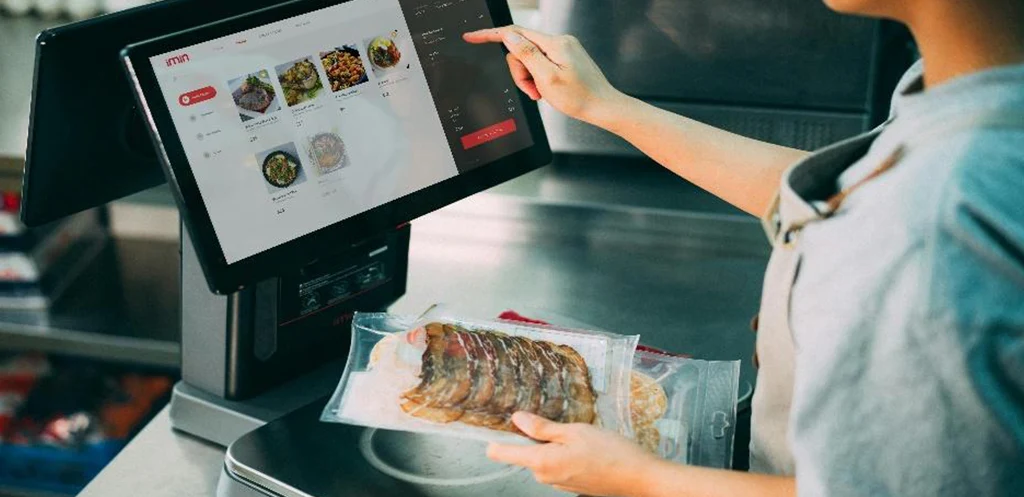
POS systems streamline retail operations by eliminating the need for staff to memorize product prices and names.
With thumbnail images and smart categories displayed on the POS screen, employees can quickly identify and add products to the shopping cart, boosting efficiency and reducing errors during transactions.
Price Consistency Across Locations
For businesses with multiple stores, maintaining price consistency can be challenging. POS systems alleviate this issue by providing access to a centralized digital product database.
This enables businesses to easily update product prices and ensure uniform pricing across all locations, enhancing customer trust and satisfaction while simplifying management processes.
Integration of Online and Offline Channels

A key function of modern Point of sale (POS) systems lies in their ability to integrate online and offline sales channels seamlessly. This integration is imperative for retailers aiming to provide a cohesive shopping experience across multiple touchpoints.
Unified POS systems enable businesses to synchronize inventory data in real-time, allowing customers to check product availability both online and in-store. This transparency not only enhances customer satisfaction but also mitigates the risks of stockouts and overstock situations.
Moreover, point of sale (POS) systems empower retailers to implement omnichannel sales strategies, enabling customers to make purchases through various channels such as in-store, online, mobile app, or social media platforms.
This flexibility enables retailers to cater to customers’ diverse preferences and behaviors, meeting them wherever they choose to engage.
Fulfilling Customer Expectations for Seamless Integration
To remain competitive in today’s retail landscape, businesses must merge their online and offline presence seamlessly. Legacy retailers are increasingly focusing on integrating their virtual and physical stores across all channels to deliver a seamless customer experience.
The adoption of POS systems emerges as a pivotal strategy in this endeavor, offering myriad benefits for both customers and retailers alike.
Point of sale (POS) systems revolutionize the retail experience by enhancing flexibility and ease of use. Store staff can assist customers in selecting items from anywhere in the store, making shopping a seamless and enjoyable process.
With increased mobility, retailers can optimize space utilization and eliminate long queues at checkout counters.
The Future of POS Systems: Emerging Trends and Opportunities

As technology continues to advance, point of sale (POS) systems are poised to evolve further, offering new functionalities and capabilities to meet the evolving needs of retailers and consumers. Some emerging trends shaping the future of Point of sale (POS) systems include:
Contactless Payments
With the ongoing emphasis on hygiene and safety, contactless payment methods are gaining traction. Modern point of sale (POS) systems must support these payment options to meet customer expectations and ensure seamless transactions.
Artificial Intelligence (AI) and Machine Learning
AI-powered Point of sale (POS) systems can analyze vast amounts of transactional data to uncover actionable insights, such as predicting customer preferences and optimizing pricing strategies. By using the power of AI and machine learning, retailers can make data-driven decisions to drive sales and enhance customer experiences.
Augmented Reality (AR) and Virtual Reality (VR)
Integrating AR and VR technologies into Point of sale (POS) systems can revolutionize the retail experience by allowing customers to visualize products in real-world environments before making a purchase.
This immersive shopping experience can boost sales and reduce returns by giving customers a better understanding of product features and specifications.
Conclusion
Point of Sale systems help bridge the gap between online and offline sales channels in the retail landscape. By leveraging the capabilities of modern Point of sale (POS) solutions, businesses can achieve seamless integration, drive operational efficiency, and enhance customer experiences.
With emerging trends such as contactless payments, AI, and AR shaping the future of POS systems, retailers must stay ahead of the curve to meet the evolving needs and expectations of consumers.
Through strategic investments in Point of sale (POS) technology, retailers can position themselves for success in the dynamic and ever-changing retail landscape.